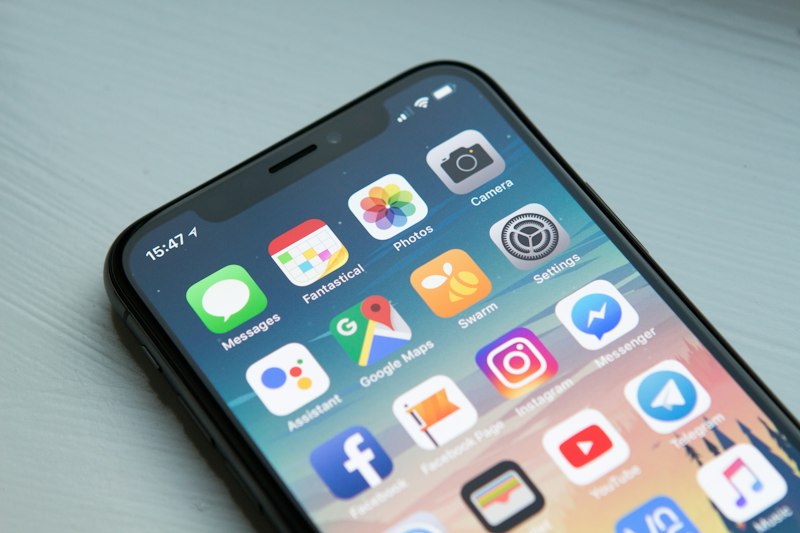
Both mobile apps and responsive websites have their place. The right choice depends on your goals, budget, audience, and the type of interaction you want with your customers.
If you need push notifications, offline access, or device-specific features like camera integration, a mobile app is the way to go. Apps live on the user's phone, creating a constant presence and deeper engagement.
For content-focused businesses or lead generation, a responsive website is more cost-effective. It's accessible to anyone with a browser, requires no installation, and is easier to update and maintain.
Many successful businesses benefit from having both — a responsive website for discovery and SEO (how people find you), plus a mobile app for engaged, repeat users (how people stay with you).
Progressive Web Apps (PWAs) offer an exciting middle ground — they look and feel like native apps but work through the browser. They support offline functionality, push notifications, and can be installed on the home screen without app store approval.
📌 Key Takeaways
Responsive websites are better for SEO and discovery
Mobile apps excel at user engagement and retention
PWAs offer a middle ground with app-like features
Consider your budget — websites are typically more affordable to start
The best strategy often combines both approaches
Need Help With Your Project?
Let's discuss how we can help your business grow with the right digital solution.

